

The pain that no one sees or the pain that hurts in the mirror inside
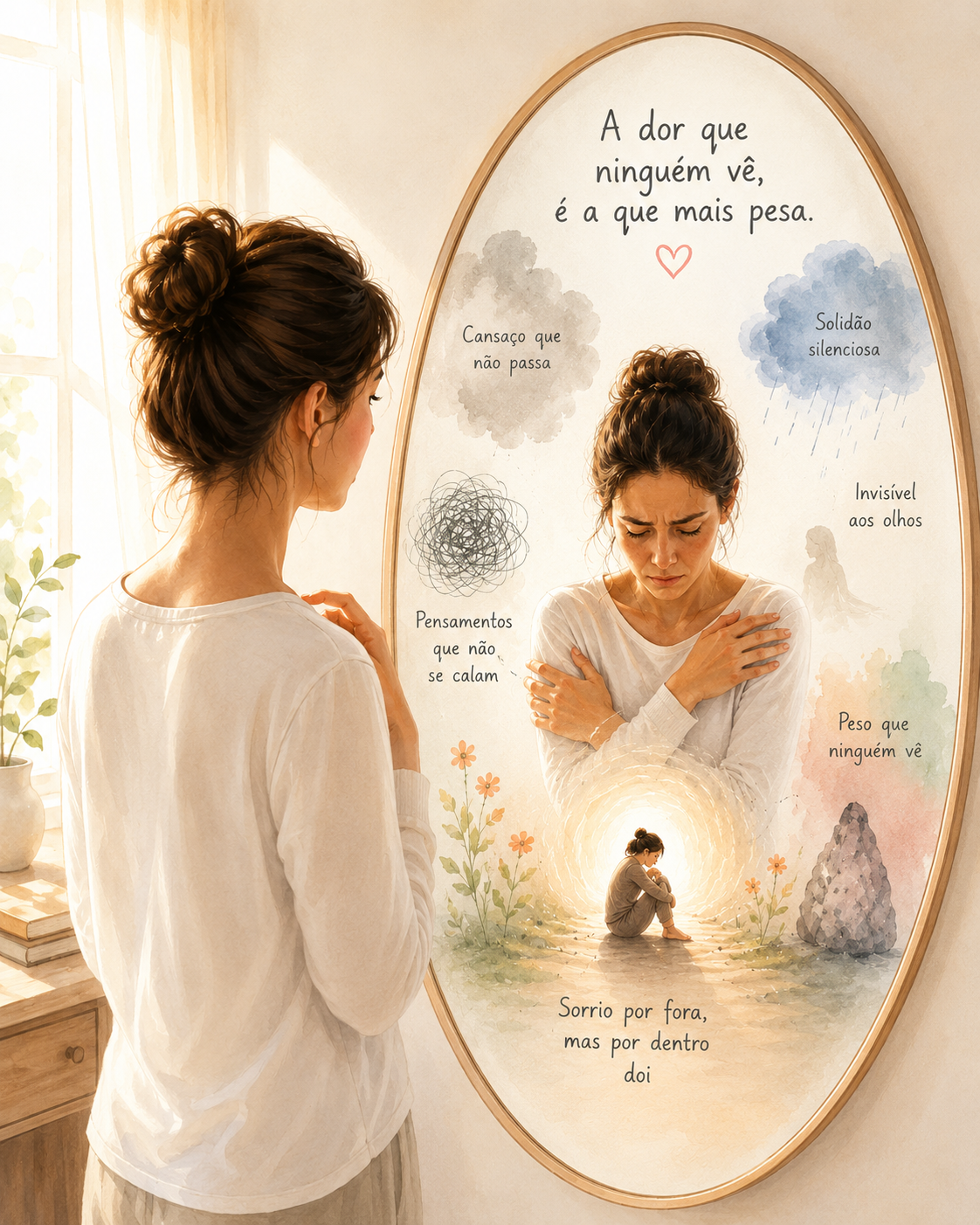
A beautiful body in the eyes of others. A void inside. The idealized “shape” posted on social media. An immeasurable emotional cost.
Eating disorders are extreme examples of this suffering, but pain related to body image goes far beyond diagnoses. It can appear in the shame of wearing certain clothes, in the fear of being photographed, in guilt when eating, in constant comparison with other people or in the feeling that one's own worth depends on one's appearance.
Often, the attempt to control one's body or diet does not arise out of a genuine concern for health, but as a way of dealing with difficult emotions. Anxiety, insecurity, fear of rejection, feelings of inadequacy, and the need to belong can turn into rigid rules about what to eat, how much to weigh, or what your body should look like.
Contextual therapies help us understand that human suffering does not happen in isolation within the person. It is built on the stories we live, the messages we receive and the meanings we learn throughout life. When we grow up hearing that certain bodies are more valuable, more beautiful or more worthy of admiration, it's natural for these ideas to influence the way we see ourselves.
The problem arises when we start to organize our lives around trying to eliminate internal discomforts by changing our bodies. In this process, the search for acceptance can turn into imprisonment. Life gets smaller: we avoid social situations, we postpone projects, we stop enjoying important moments and we start to believe that we will only be able to live fully when we reach a certain weight or appearance.
One of the most important contributions of contextual therapies is to remember that we have no control over the presence of pain and discomfort and that they are part of the human experience. The point is not to eliminate thoughts of self-criticism or insecurity, but to learn not to let them define who we are and the choices we make.
This means building a more flexible relationship with food, more compassionate with the body and more connected with what really matters. It means recognizing that a thought like “my body isn’t good enough” is just a thought — not an absolute truth. And that our lives can be guided by values broader than appearance: affection, health, connection, learning, purpose, fun, autonomy.
Awareness of eating disorders and body image is not just an invitation to identify signs of distress. It is also an invitation to question the culture that teaches us to measure our worth by appearance.
Maybe we can start by asking different questions. Instead of asking whether our body is close to an ideal, we can ask: “Is this way of relating to my body helping me live the life I want?” Instead of seeking perfection, we can seek presence. Instead of fighting a battle with our body, we can learn to listen to it and take care of it.
Because, after all, the body is not a project that needs to be constantly corrected. It's the place from which we live our entire lives.
And every person deserves to live this life with more freedom, dignity and kindness towards themselves.
Perhaps one of the most important reflections is this: what if the energy we spend trying to change our bodies could be directed towards living meaningful experiences, cultivating relationships, developing skills and taking care of our health in a more gentle way?
Bodies change throughout life. Not the value of a person.
May we build a culture in which care is more important than appearance, and in which health also includes the freedom to live without being at war with your own body.
By Martha Wallig Brusius Ludwig.